
“They don’t give a fuck who they kill”: Inside the execution practices of the Russian army
Executions are becoming more common, and torture more sophisticated
Reports of extrajudicial killings in the Russian army began surfacing in the first year of the invasion. Initially, soldiers were executed on the spot for refusing assaults or for drinking in the trenches. By 2025, however, killings and torture had evolved — and were increasingly motivated by personal conflicts between soldiers and commanders or by a refusal to pay informal “tribute” to superiors.
Some names and military call signs have been changed for safety
To read future texts, follow us on Telegram
“A guy from my platoon was beaten to death — they slammed his head against the floor. Just because he had some vodka after a mission. We spent a month on the front line with no communication, no food — nearly all of us were killed or wounded. We drank from puddles, slept in water and shit. Then we got leave, had a small drink like normal adults — and they scolded us like puppies. And the guy mouthed off…”
As the soldier with the call sign “Kurgan” tells Verstka, commanders “Kemer” and “Dudka” began beating his colleague, slamming his head against a concrete slab. Then they threw him into a pit. “He was already dying there — something was leaking from his head, foam was coming out of his mouth, he was convulsing. ‘Shark’ then said to shoot him,” Kurgan recalls.
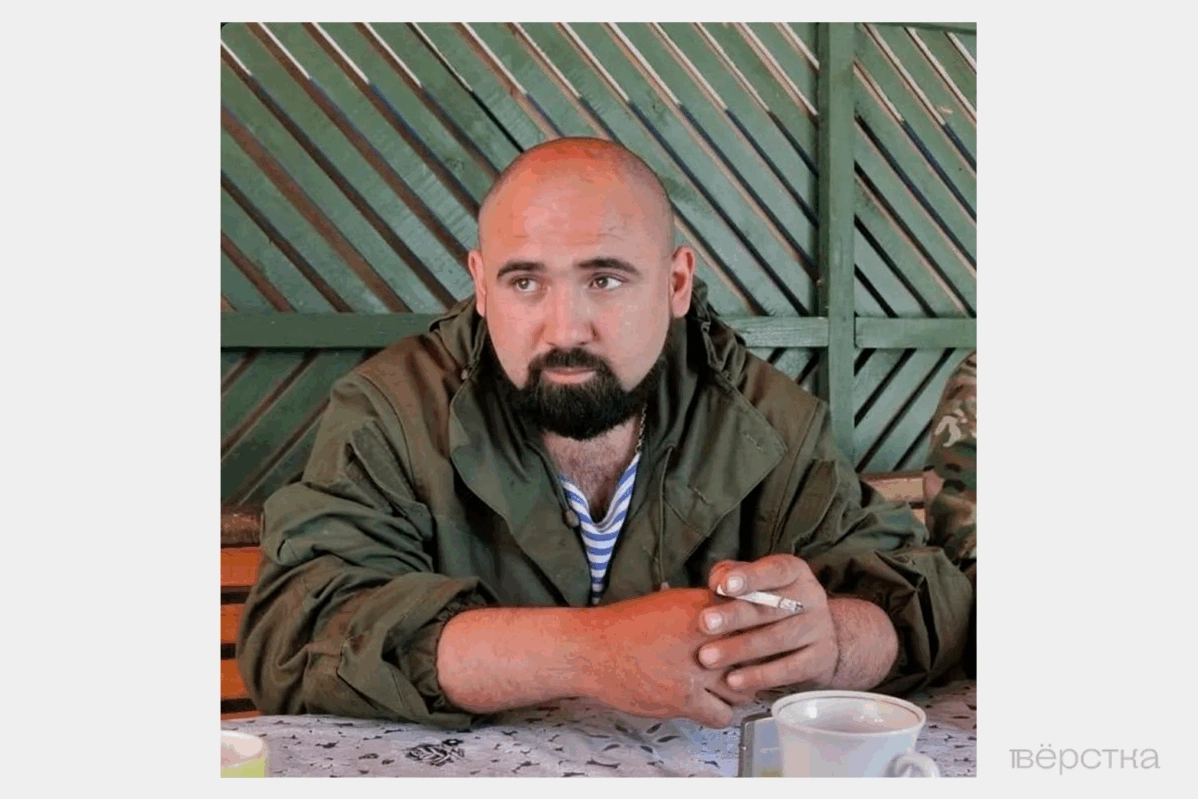
“Shark” is 34-year-old Ilkhom Peter, a resident of the Orenburg region (region in Western Russian bordering with Kazakhstan) who commands the assault troops of the 80th Tank Regiment of the 90th Tank Division within the “Center” group. “Kemer” is 34-year-old Dmitry Kemerov, commander of assault company B. “Dudka” is 39-year-old deputy company commander Mikhail Dudukov.
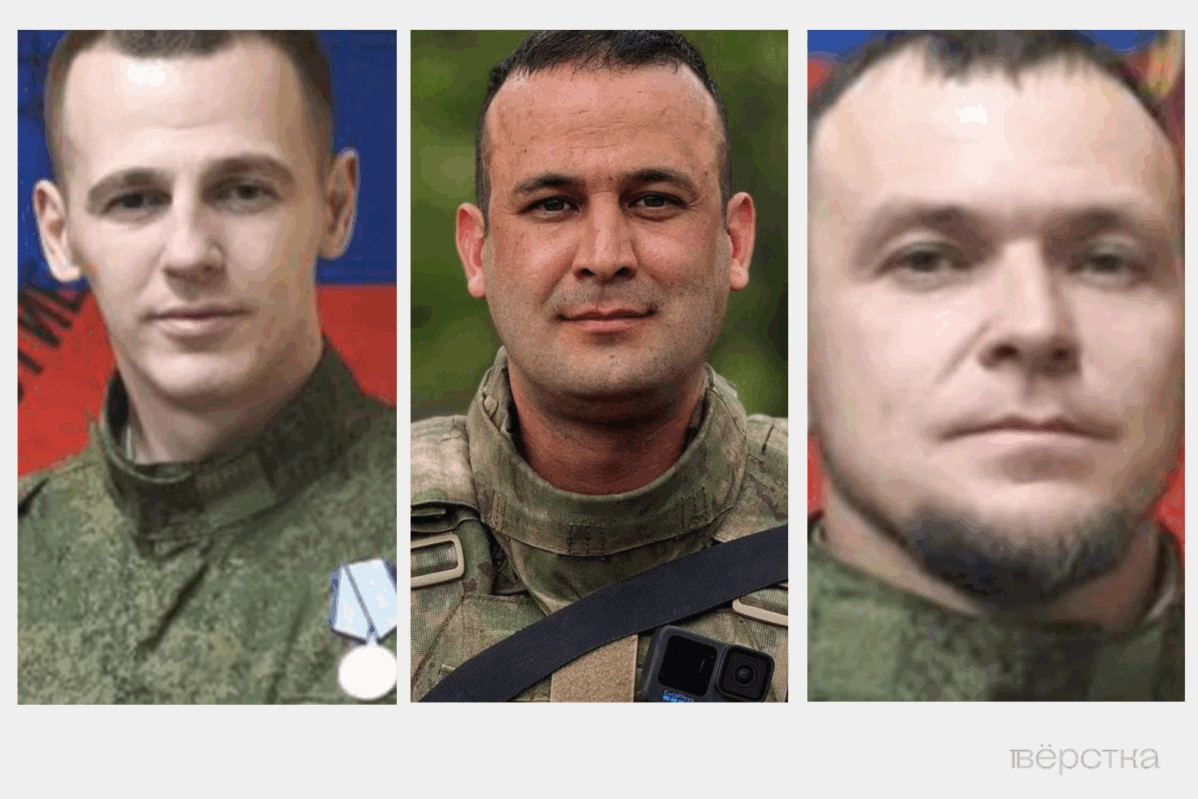
According to Kurgan, the assault company is made up largely of former prisoners and so-called kosyachniki — soldiers punished for misconduct. After being wounded, he managed to leave the army, which is why he is now willing to speak about the “zeroers.”
“Zeroing” is the term Russian soldiers use for killing their own comrades — executions carried out as punishment, as intimidation, or simply to settle personal scores.
We refer to the commanders and soldiers responsible for these killings as “zeroers.” The term covers not only literal murder — shootings or torture resulting in death — but also lethal orders: sending people into a “meat grinder” with no weapons, support, or equipment.
Verstka has compiled information on hundreds of such “zeroers.” We spoke with soldiers and their relatives, and reviewed numerous complaints submitted to the Main Military Prosecutor’s Office. All identified executioners are included in our database.
Two other soldiers from the same regiment who spoke with Verstka are currently in the hospital and also hoping to be discharged. They fear being sent back to the front. Frontline troops are terrified to speak openly: if they complain to their families, their commanders, or the military prosecutor’s office, they risk being “zeroed out.”
The soldiers who spoke to Verstka say that “zeroing” doesn’t refer only to direct killings. A common way to eliminate an unwanted serviceman is to send him on an assault mission where survival is nearly impossible — often without a bulletproof vest or even a weapon.
This method of “elimination” is widespread across many units of the Ministry of Defense. One example is the 114th Separate Motorized Rifle Brigade (114th OMSBR), a relatively new unit that traces its origins to the Donetsk separatist battalion Vostok. After the full-scale invasion began, the brigade fought in Avdiivka and at the Avdiivka Coking Plant. Now, according to the Deep State portal, it is stationed near the villages of Suvorovo and Nikanorivka — areas whose capture the Ministry of Defense reported in August of this year.
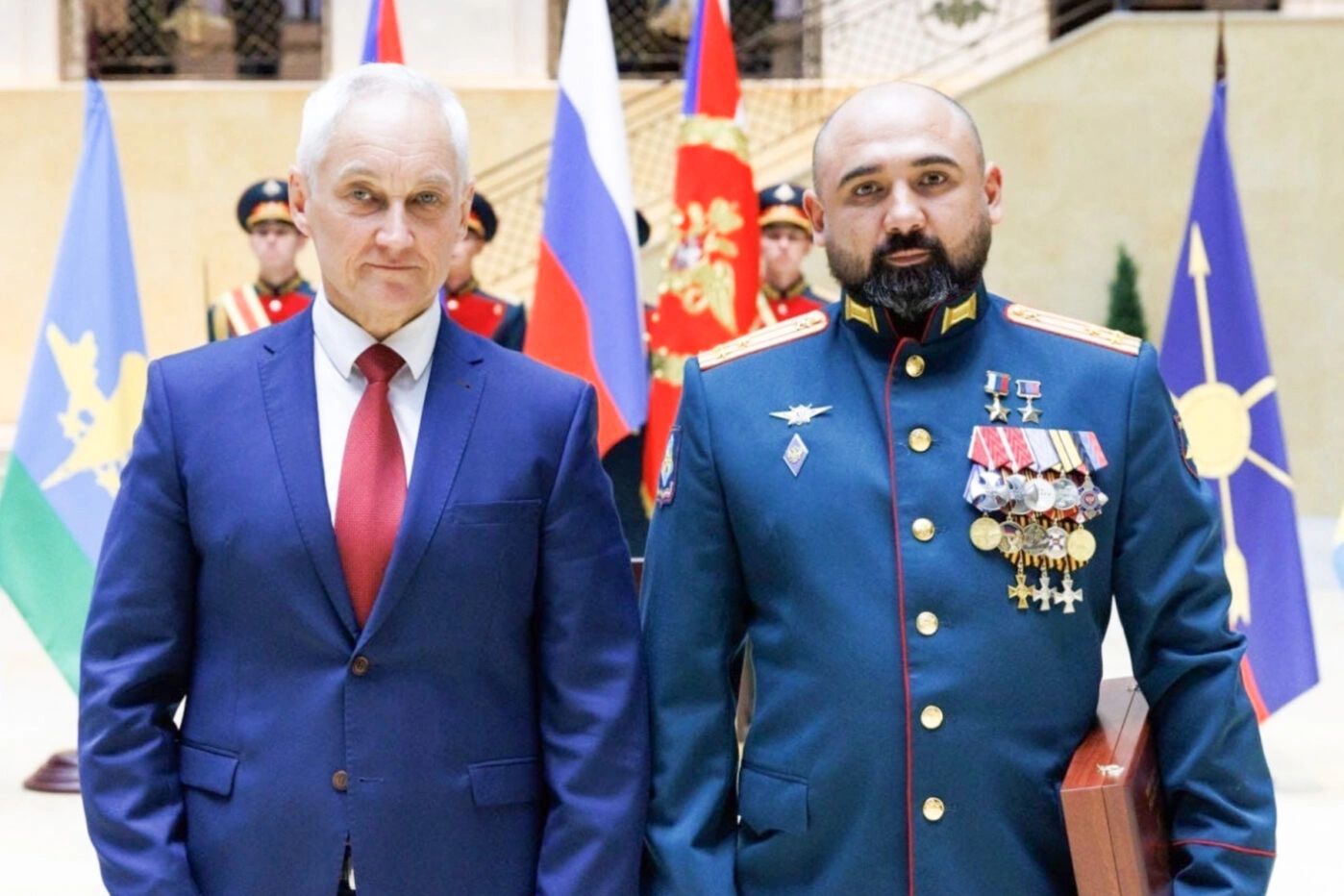
One of the brigade’s commanders is Colonel Igor Istratiy — known by the call sign “Said” — a Hero of Russia and Hero of the so-called Donetsk People’s Republic (DPR). Soldiers describe him as someone who personally orders executions and encourages torture. His easiest method of getting rid of those who fall out of favor is to send them into assaults. Yuri, who served in the 114th Brigade, recalls being sent into attacks without weapons or equipment, with “Said” insisting that soldiers should “get everything they need in battle themselves.”
“Just so you understand, we went up against two or three platoons with four magazines and 120 rounds,” he tells Verstka. “They met us with tanks, Grad missile systems, Shmel flamethrowers, and RPGs. That was our first battle in the winter of 2023, when we were just entering Krasnohorivka. There were 47 of us. Five made it into the village. Three minutes of fighting.”
“You know, the thing there is… you never know where the bullet will come from — your own side or the Ukrainians,” says Dmitry, another soldier from the same brigade.
Execution for refusing to assault
You can try to refuse a suicidal assault, but in that case, soldiers say, death will find you in your own trenches.
Conscript Alexei describes what happened in the second motorized rifle battalion of the Seventh Brigade. One of the commanders there, known as “Sumrak” (“Twilight”), had a man whose only job was to “zero people,” Alexei says. When an assault began, he was ordered to “grab ten men and push them forward.” Those who refused — and many did, after seeing what awaited them — were executed.
“You won’t reach the Ukrainian positions anyway — you’ll just get blown up by drones. That’s why people refuse,” Alexei explains. In those cases, Sumrak’s subordinate shot the soldiers point-blank with an assault rifle. “After that, the body was taken away. We had the Siverskyi Donets River nearby — they just threw the bodies into the river with their vests so they wouldn’t float, or buried them somewhere. That’s the easiest way to get rid of them.”
This also happened during the assault on the village of Orekhovo in Ukraine’s Donetsk region — a battle that dragged on for months. Soldiers describe the fighting there as suicidal. In June 2025, a stormtrooper from the 80th Tank Regiment of the 90th Tank Division, known as “Fiksa,” refused an order to “expose the firing positions” of the Ukrainian Armed Forces — a task he was supposed to carry out without a weapon or a bulletproof vest.
In military slang, this role is called a “beacon” — a soldier used as live bait, sent ahead to provoke enemy fire and reveal their exact positions. “You just run in one direction, with the rearguard behind you so you can’t turn back. Your only chance of surviving is to get wounded and be captured by the Ukrainians,” one soldier explains.
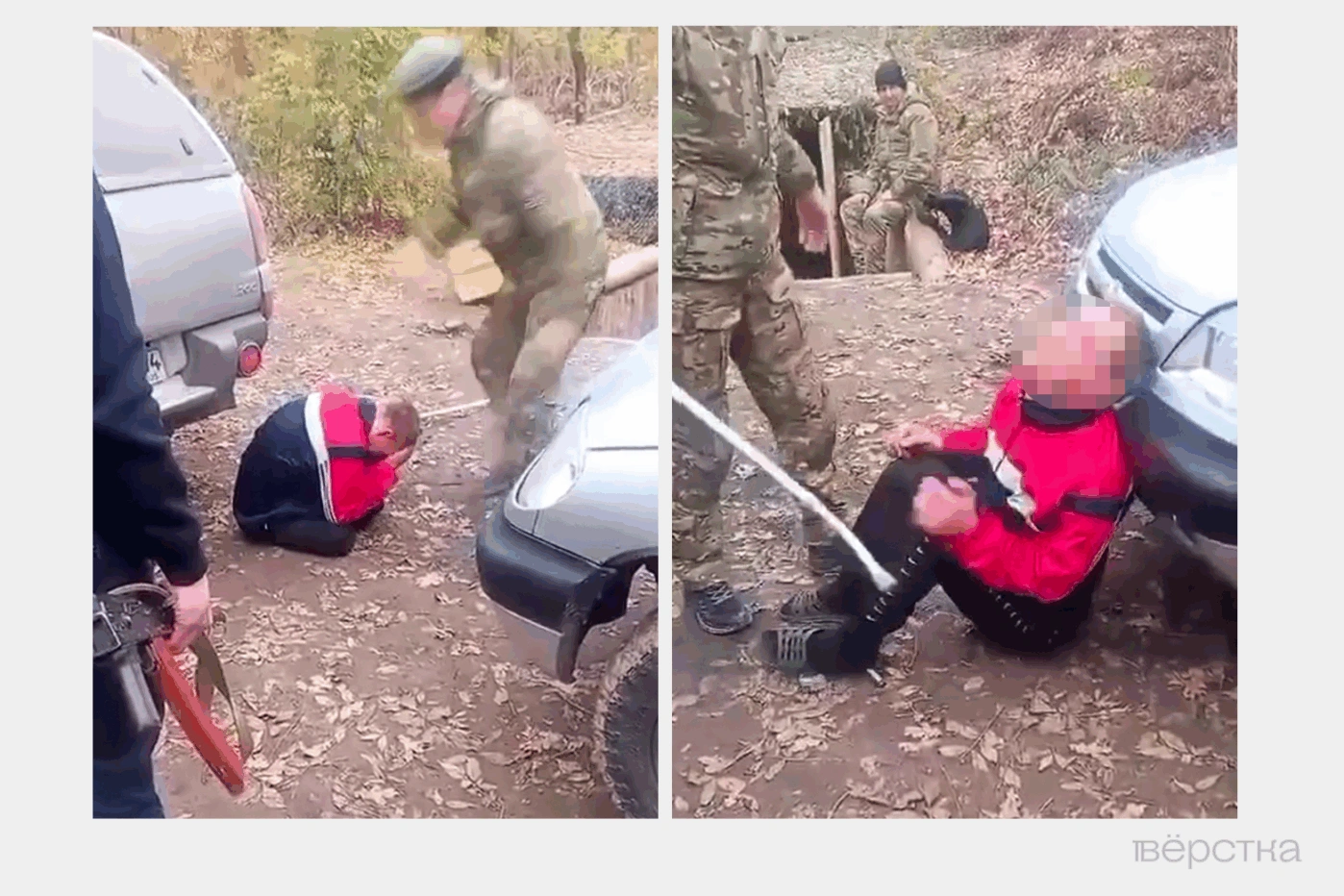
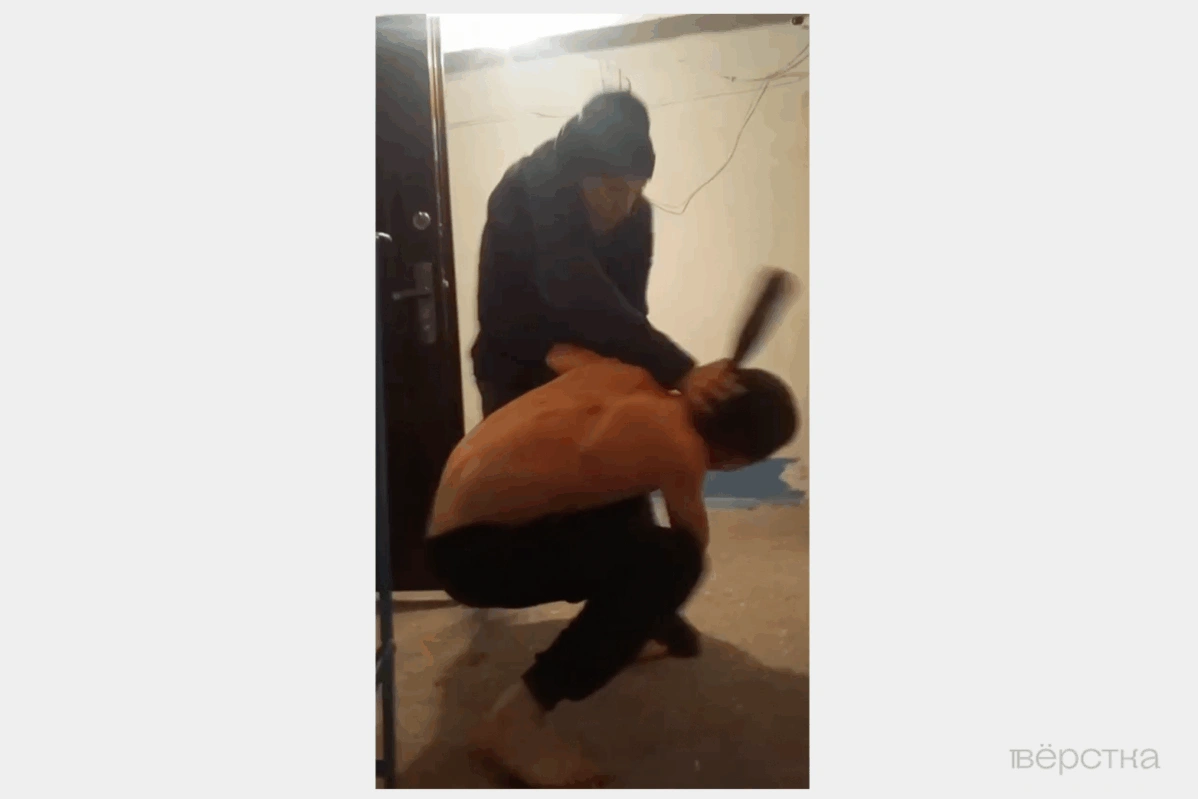
After “Fiksa” refused to act as a “beacon,” the commander of assault company B, “Kemer,” ordered him to be beaten, two soldiers from the 80th Regiment told Verstka. The torture was recorded on video: he was beaten with fists, sticks, and a stun gun.
“Yes, that’s Fiksa in the video. Kemer’s men beat him half to death, and then Kemer shot him. They buried him in the woods,” says another serviceman, call sign “Kurgan.” Fiksa’s relatives were later told he had allegedly left the unit without permission.
According to conscript Alexei, his brigade also includes a territorial defense battalion (12th battalion), headed by a commander known as “Beliy” (“White”). Anyone who refused a combat mission or otherwise “messed up” was sent to him — “a soldier got drunk, or ran away for a few days, or maybe disappeared to see a girlfriend.” Alexei says that Bely had two snipers positioned “somewhere between the trees” to deal with such men. No one ever saw them, but they saw everything: during one assault, when a soldier turned around and tried to run back, his own side shot him. According to Alexei, Bely’s snipers killed twenty of his comrades in 2023 and forty in 2024. Verstka has not yet been able to independently confirm these numbers.
“Zeroing” with drones
In certain assault and motorized rifle units — particularly where there are many kosyachniks — drones are used in place of barrier troops or snipers to finish off soldiers. This type of zeroing is less common than shootings or torture. “In the Airborne Forces, I’ve never heard of anyone finishing off their own! FPVs used against our own soldiers? TOTAL NONSENSE,” one contract soldier told Verstka, visibly irritated by the question.
But servicemen from other, less elite units say this does happen. For instance, speaking about the 139th Separate Assault Battalion and its former commander, 35-year-old Colonel Kurabek Karaev — known as “Kurort” (“Resort”) — several soldiers claim he used drones to deal with his own subordinates.
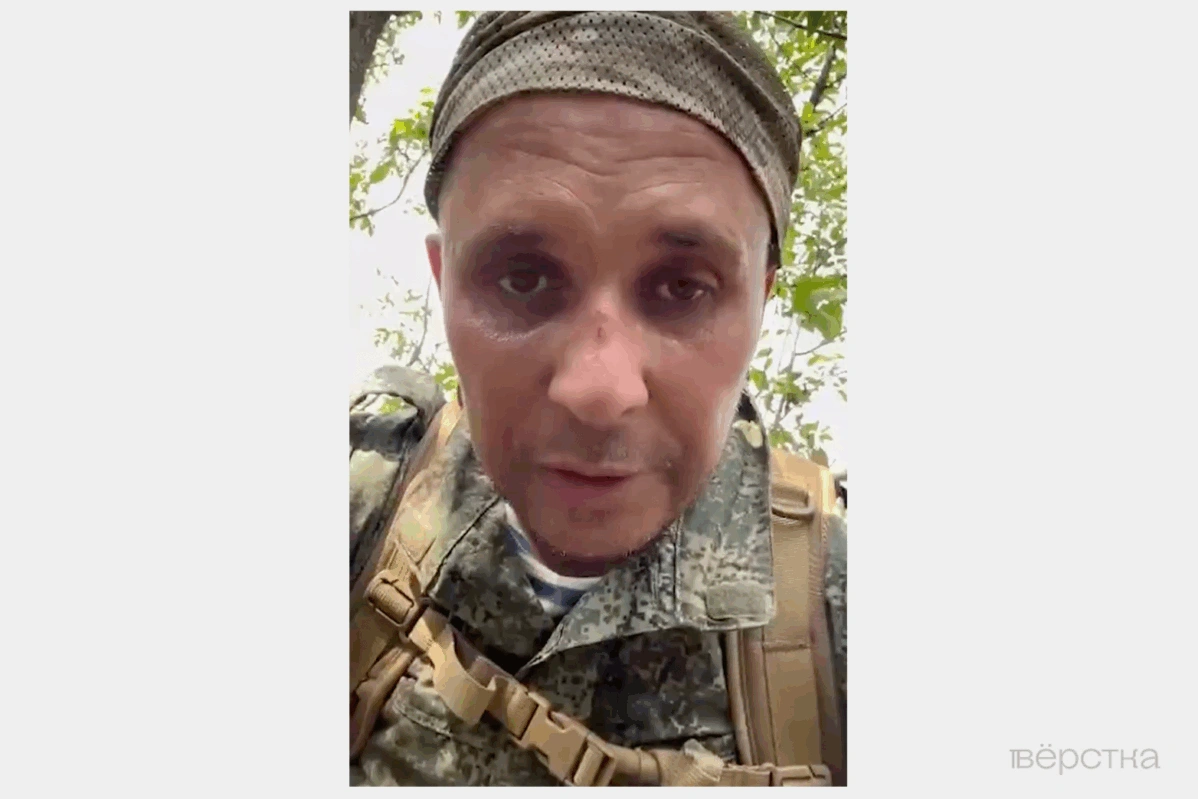
“I saw how they push the guys forward — just go, or they’ll kill you. If you hide somewhere, the drone will get you, your own people will get you. They’ll track you down and finish you off. Those are the orders they give,” says Vladimir Oskolkov, a contract soldier from the 139th Assault Battalion, in a video describing battlefield violence. He sent the footage he recorded on the front line to his sister and filed complaints about service conditions with the military commandant’s office in Berdyansk (occupied part of Zaporizhzhia region). After his revelations became public, Oskolkov was taken to an unknown location.
Another soldier who recently transferred out of the same 139th Assault Battalion confirms to Verstka that their commander ordered drone operators to drop grenades on their own troops. “There were missions to storm forestry camps, and the order was to kill our own if they couldn’t get out,” he says. “Those who refused were also taken out — finished off with grenades. The UAV operators were threatened; they stood under rifle barrels.”
His colleague also spoke about Russian soldiers being killed by Russian drones in a video message to Vladimir Putin, recorded in May 2025 while he was in the rear.
“I felt I had to tell you the truth. When Karaev was commander of the 139th Battalion, he — together with his deputy, call sign ‘Wolf,’ and his chief of staff, call sign ‘Mark’ — gave orders to finish off our wounded boys with airstrikes. Literally, Vladimir Vladimirovich. At first he told ordinary soldiers to do it, but of course they refused. Then Karaev, ‘Mark,’ and ‘Wolf’ did it themselves, finishing off our own fighters.”
Former prisoners who became contract soldiers in 2023 also witnessed “drops from drones” on their own men. Why commanders would risk losing UAVs, pull operators away from combat tasks, waste ammunition, and kill their own troops in full view of others is something the soldiers themselves cannot fully explain. One of the most common explanations offered to Verstka is that commanders want to prevent wounded assault troops from being captured or taken to a hospital, where they might reveal “too much” about what is happening at the front.
One of the voice messages sent to Verstka by a soldier from the battalion led by “Kurort” also describes the killing of wounded soldiers. “I served with the 139th Battalion under Kurort’s command. He gave the order to finish off the wounded and they did it themselves. The order was: if you don’t finish them, we’ll kill you. There were cases when those who refused to go into battle were tied to a tree, whipped, and then locked in a basement to bleed out.”
Torture to death
Soldiers also consider torture in pits and basements to be a form of zeroing, because it usually ends in the victim’s death. Mobilized soldier Alexei recalls how men who got drunk after spending three or four months at the front were sent into these pits once they returned to the rear.
“We called it a bath: a place to wash and clean yourself up for a day. And of course, during that day the guy would find alcohol, get drunk, and the next day he was supposed to return to the front — completely useless. So they’d handcuff him and throw him into the pit.”
The pit was about two meters deep and two meters wide, covered with a metal grate. Then a KamAZ truck would bring a large water tank — normally used to deliver drinking water — and fill the pit up to the grate.
“So the man was basically like a fish, trying to gulp air through the grate. That’s how the commanders tortured them.”
Those punished died slowly: they were pulled out alive, but after several hours in cold water, “you naturally get pneumonia, swollen kidneys — everything that comes with it.”
“If he was lucky, he’d be sent to the hospital. It depended on the commander’s mood. If he wasn’t, they’d send him back to his position — and what medical care was there? Aside from bandages and promedol, nothing. So he’d just die there from pulmonary edema or kidney failure.”
In the pits, soldiers don’t just suffer — they sometimes kill each other. That’s what Yuri, a former serviceman from the 114th Motorized Rifle Brigade, told Verstka.
“When someone starts asking questions — about pay, for example — or begins to complain, they lock him in a barred pit,” Yuri explains. “They give them no water, no food. They beat them two, three, four times a day. Every day they drag them out and beat them again. There are many people who are kept like that. Some die in that pit.”
To cover up such zeroing, the bodies are “simply thrown onto the front line and shot somewhere,” Yuri says, making it look as if the soldier was killed in combat. When only two or three men remain in the pit, they’re told: “If you want to get out, fight. Whoever survives gets out.”
“Imagine this: a comrade who once covered me with his own body, and now I’m supposed to fight him — kill him. I’d rather die myself. Do you understand what it’s like there?” Yuri says.
A video showing similar “pit fights” surfaced in May 2025 on Ukrainian platforms aimed at Russian troops. Verstka was unable to independently verify the footage, but several soldiers and relatives confirmed the presence of a commander known as “Kama,” who appears in it.
The video opens with: “What the fuck, you faggots, had enough yet?” It shows two half-naked soldiers from the 114th Brigade standing in a pit dug into the ground. According to the description, both were put there for refusing to join another “meat assault.” A man off-camera addresses them.
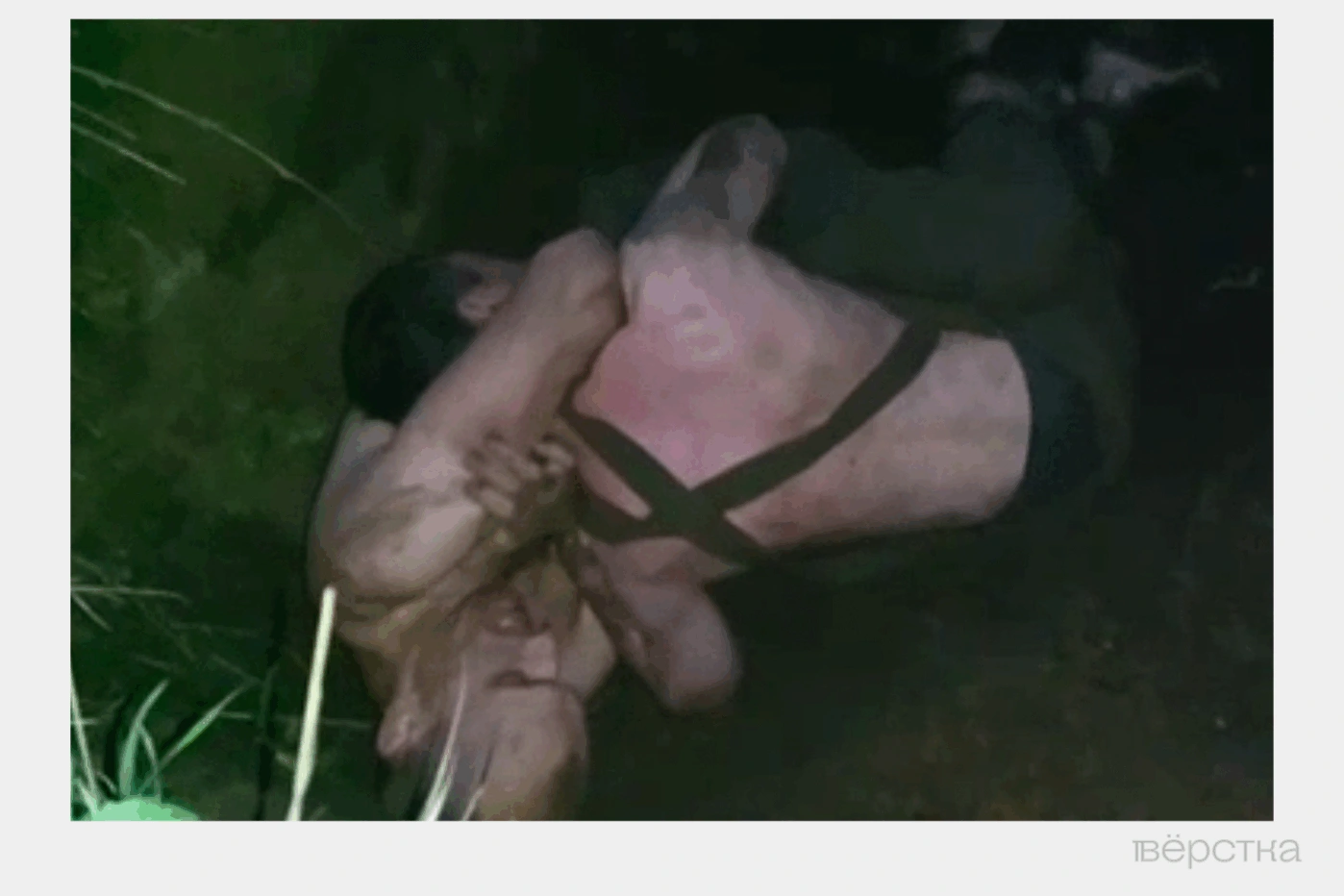
“‘Kama said: all right, which one of you is going to smash the other — who’s going to fuck who up, you hear me, you dumb deer? Whoever wins climbs out of the pit,’” the man off-camera growls. The two soldiers start brawling in the dirt. After a few minutes, one overpowers the other. “That’s it, back off…”
“Don’t stop, push him!” the voice yells.
“I’m pushing,” the fighter answers, shoving the limp body of his comrade aside.
Verstka’s sources also mention other extreme methods of elimination. One was sending a man into battle with a grenade stuffed inside his vest — “no pin, just the safety lever held down.”
“They send you forward. If you fall, get hit, or jerk the wrong way — boom. It’s insane. I only saw it once, near Chasiv Yar,” says a soldier.
He adds that during assaults, those commanders disliked could be “tied to a tree and left in the red zone behind the zero line,” where Ukrainian drones would finish them off.
“I swear, I never thought such a thing was possible. It’s 2025 — drones, high-tech war — and our own men are being killed like cattle. It’s genocide,” Kurgan says angrily.
“Zeroing” for refusing to pay
Witnesses to the executions interviewed by Verstka say that those who carry out “zeroing” are either commanders inclined toward sadism or men who believe they have no other way to control their troops. But the main motive, they say, is money.
Commanders who “zero” soldiers sell the chance to avoid combat, demand bribes, impose informal levies, and simply rob their subordinates — transferring salaries from contract soldiers’ bank cards to their own accounts. Those who refuse to pay are “zeroed” using the methods described above.
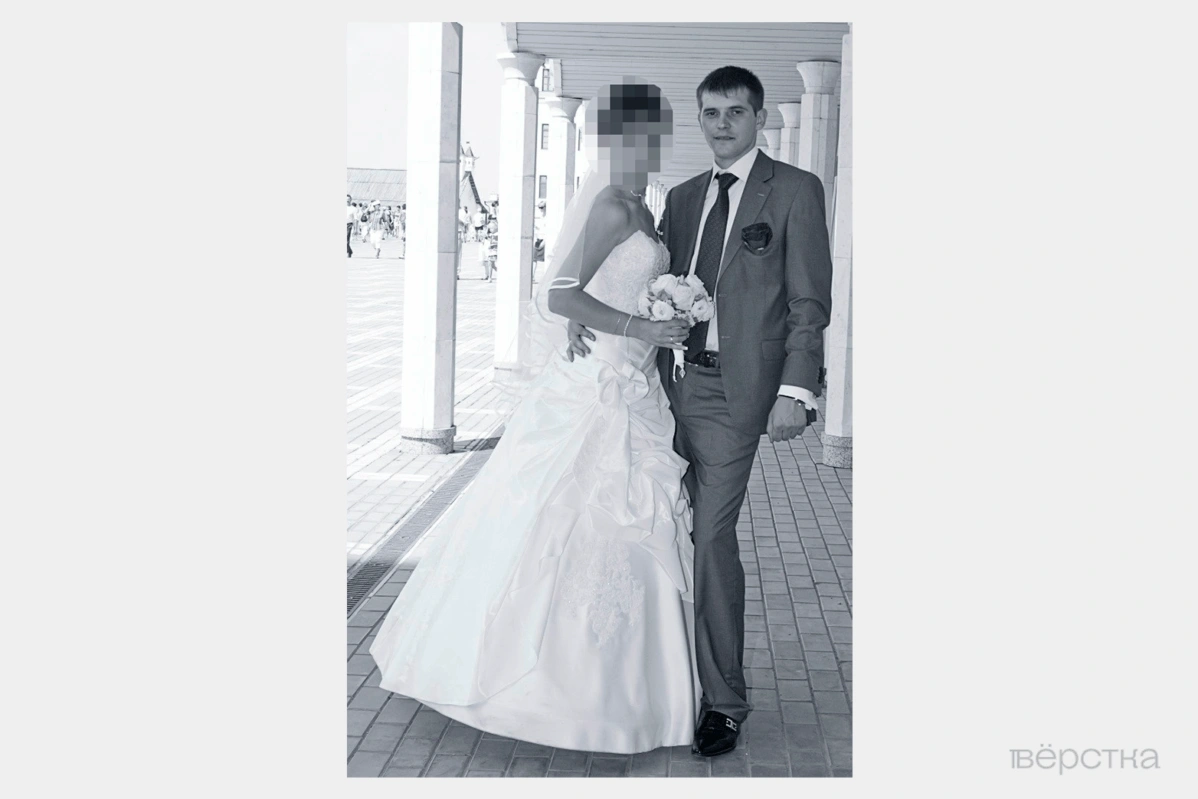
For example, relatives of missing soldiers accuse “Kama,” a subordinate of “Said,” of extortion. Kama appears in the video in which soldiers are forced to fight each other on command. This concerns the same 114th Separate Guards Motorized Rifle Brigade, which traces its roots to the separatist Vostok battalion.
Kama is a commander of one of the brigade’s units. Verstka obtained his phone number, which belongs to 38-year-old Ainur Sharifullin, a native of Tatarstan and father of three. Public information shows he is a career officer with extensive service. As far back as 2016, Sharifullin worked at the Ministry of Defense’s District Training Center in the village of Elan in the Sverdlovsk region (a region close to the Ural mountains), where he corresponded with conscripts’ parents on the center’s official VKontakte page (a Russian social network).
Today, however, families of servicemen accuse him of “lawlessness, extortion, and sending wounded soldiers into combat.” And Kama appears to have plenty of money — enough that he built himself what amounts to an apartment in the trenches. In a chat about the 114th Brigade, one participant shared photos of the dugout where “Kama” allegedly lived. The images show what looks like a freshly renovated apartment: wallpaper, chandeliers, a separate bedroom, a living-room sofa, a new stove — all of it actually a field shelter constructed in the trenches.
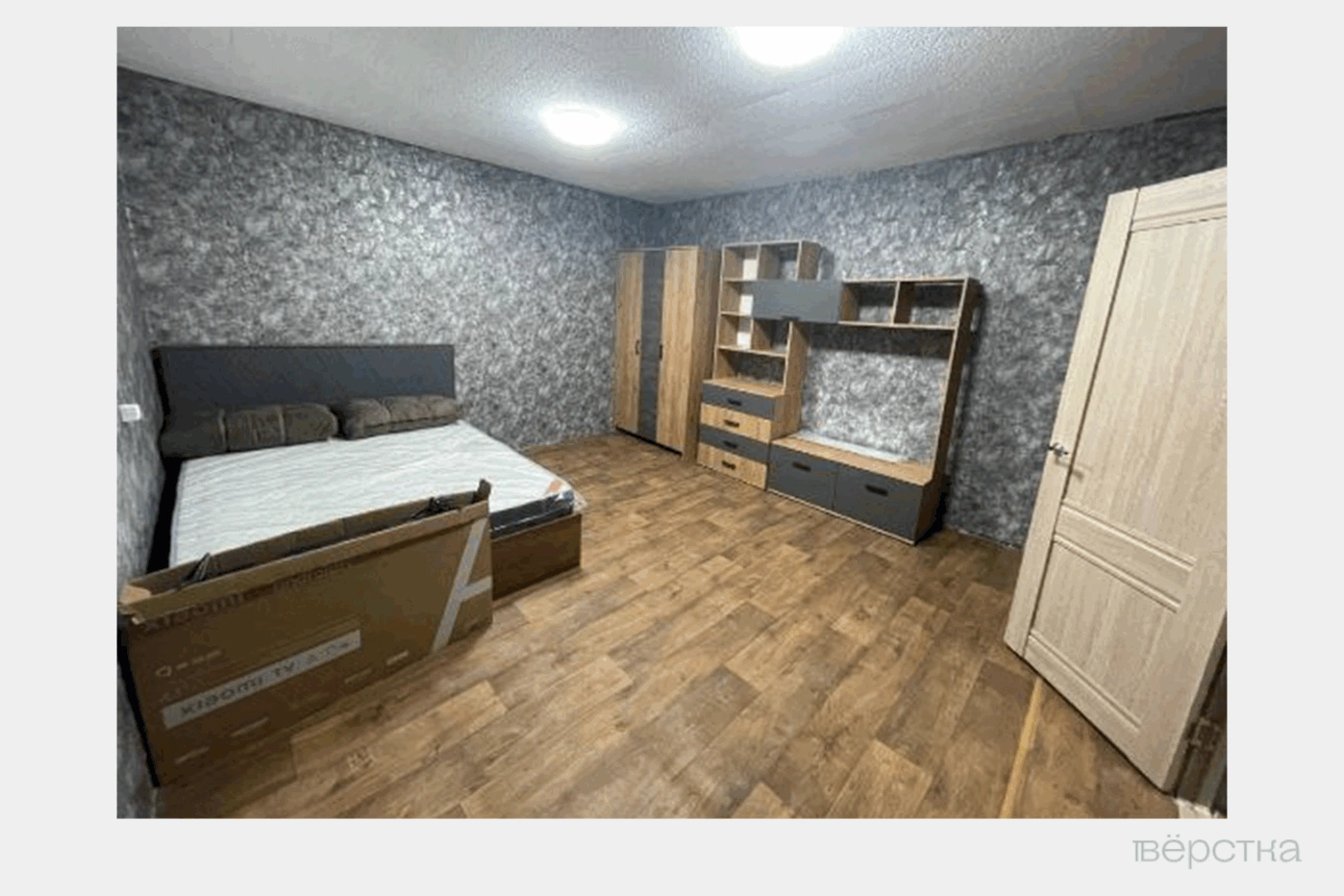
“This is how Comrade ‘Kama’ lives,” writes Alexandra, a participant in the chat. “Compare it with the dugouts our regular guys have. Do any of you have heated floors? He does — in a dugout. He didn’t have time to install the shower before leaving on a combat mission. And there’s a motorcycle worth 700,000 rubles (almost 8 thousands EUR) parked under a canopy. I’ve had enough, girls — that’s all.”
Alexandra and several other members of the chat declined to speak with journalists. Later, she deleted her messages about Kama and removed the photos she had posted
A bathhouse for “Kurort”
While “Kama” was outfitting his trench apartment, troops in the village of Granitny, Donetsk region, were building a bathhouse for a commander known as “Kurort.” Acting on his orders, soldiers point their machine guns on drone operators and wait to drop grenades on their own wounded soldiers. They even purchased a TV — possibly for one of his two apartments in Donetsk, which “Kurort” rents out for additional income. He also opened two shops in the city where, according to a soldier’s video testimony, he sells volunteer-provided humanitarian supplies.
“Kurort” is 35-year-old Kurabek Karaev, born to a forester and a nurse in the Dagestani (a region in Southern Russia close to Chechnya) village of Mamekala. He graduated from a military institute in Penza (a city in Western Russia) and says he personally requested a transfer from missile and artillery service to the infantry.
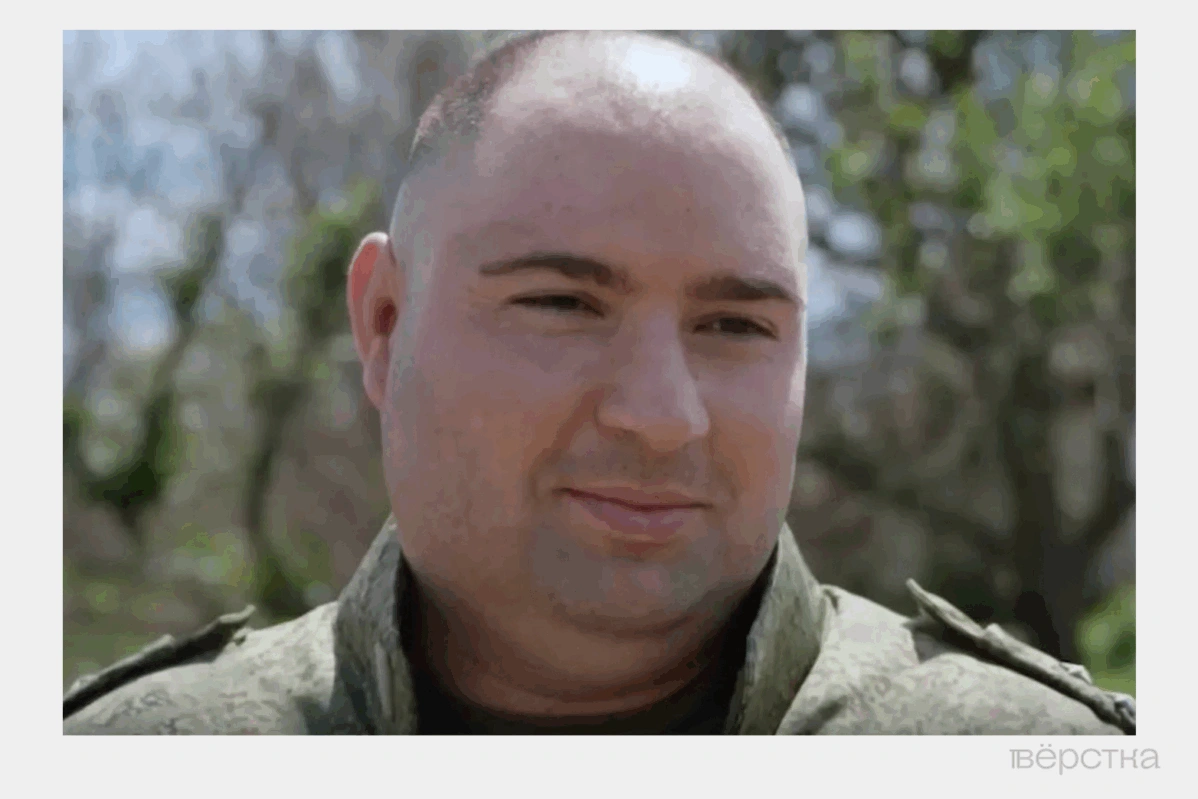
According to servicemen who knew him, “Kurort” routinely extorted money. “You want leave? Pay. If you don’t contribute, refuse an assault, get in his way, start digging around, record him, complain to his family, find any kompromat — there are countless reasons he’ll ‘zero’ you. But in the end, it’s all about money,” one of them told Verstka.
Many complaints have been filed against Karaev, but soldiers say he remains in command thanks to the backing of two generals — Andrei Ivanayev and Roman Grekov.
On June 2, 2025, Vladimir Solovyov (a notorious Russian propagandist) released a film about “Kurort” and the soldiers under his command. In it, he describes the assault troops fighting in Ukraine as an “elite.”
“Have you taken part in assault missions yourself?” Solovyov asks.
“Yes. As a battalion commander, from 2022 to 2023 — that’s where we started, in the Yuzma direction,” “Kurort” replies.
“Has the war changed you? Your attitude toward it?”
“I’ve become calmer. More restrained,” he says. “War gives you a lot of experience. You grow very quickly.”
Later in the film, the commander — who has been accused of zeroing — claims that “people should be interested in assault operations.”
“If soldiers refused to pay or go on meat assaults — because it’s a pointless death — they were either forcibly taken to the front line, zeroed out, or sent under enemy drones and artillery. Or they were simply sent into the forest in body armor, without a rifle or anything, for an assault,” a soldier who served under Kurort’s command tells Verstka.
“If a person isn’t interested, he won’t produce results on the battlefield,” Kurort argues in Solovyov’s film. “We commanders could retrain as psychologists after the ‘special military operation.’ When you talk to soldiers, you can immediately see who’s capable of what.”
During the three years of war in Ukraine, Kurort — who began as a major — was promoted ahead of schedule to lieutenant colonel and then colonel, receiving two Orders of Courage and a medal “For Bravery.”
They extort money for everything
“My wife transferred 60,000.” “I gave him two million.” “They copied the PIN codes from the cards of everyone who was killed and handed them to him. And almost all of them were dead.”
This is how various soldiers describe the earnings of another commander — “Kemer,” from the 80th Tank Regiment, military unit 87441.
In his company, soldiers say money is extorted under threat of violence for virtually everything: for equipment, to avoid going into battle, to avoid being thrown into a pit. The scale of the extortion is such that, according to assault soldier Alexei, 53 million rubles (almost 600 thousands EUR) were discovered on the bank card of one of the commanders. According to Kurgan, this may have been a military police officer linked to the regiment’s leadership.
Alexei says the money was split between “Shark”, the commander of the assault unit and his subordinates. “They took cars from the guys, resold them, and used that to buy their way out of the pit.
For refusing to hand over his car on the orders of commanders “Dudka” and “Kemer”, Andrei Bykov — a soldier in the assault company of the 80th Guards Tank Regiment — was killed.
In February 2025, Bykov was evacuated from an assault operation to a hospital. When compensation for his injuries was issued, “Kemer” and “Dudka” began demanding half of the payment. Bykov refused and instead bought himself a Toyota Camry. As his mother told Verstka, the commanders then demanded that he give the car to them. When he declined, they beat him and ultimately ordered a subordinate with the call sign “Batrak” to kill her son.
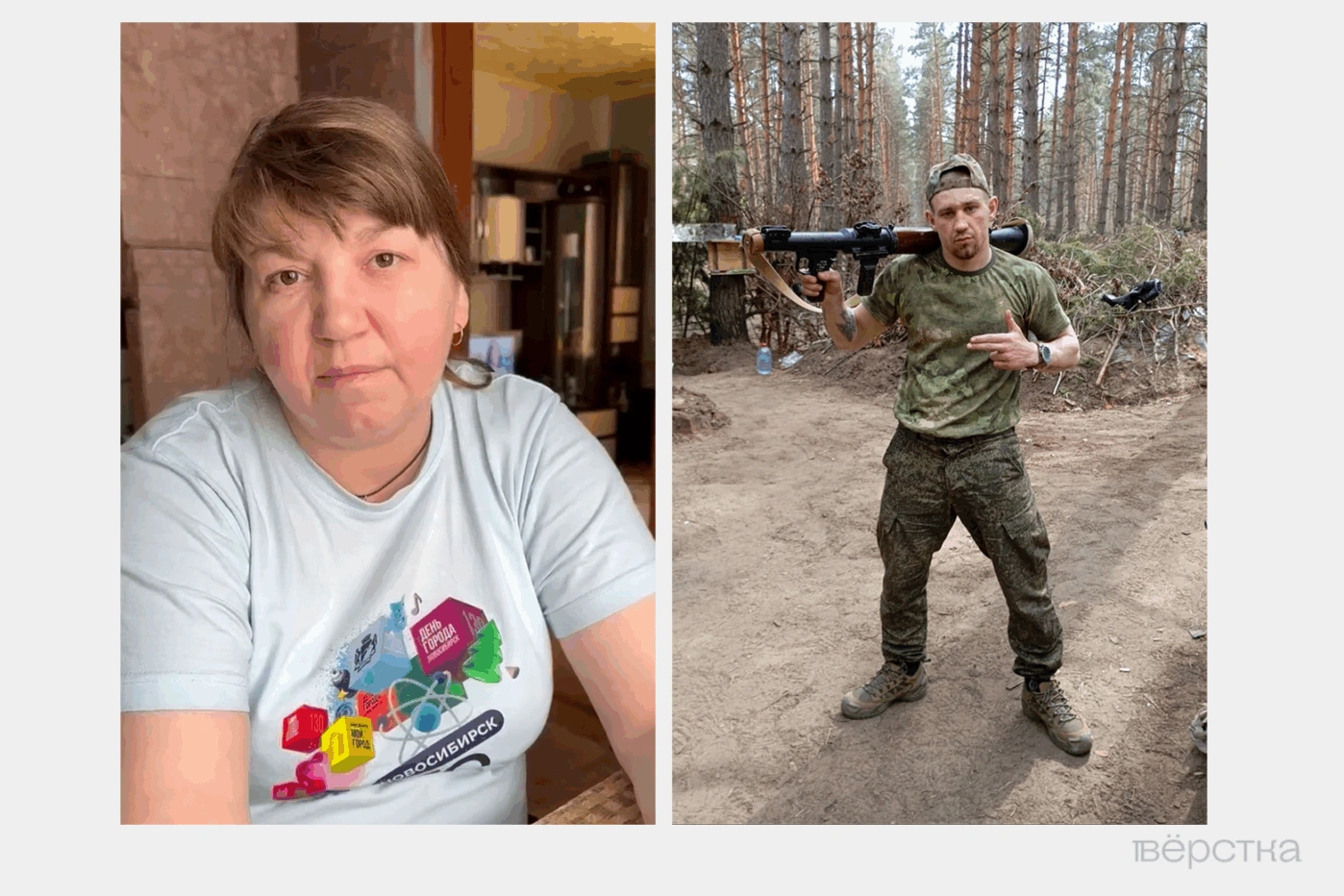
Neither the video messages Tatyana recorded while her son was still alive nor her inquiries to the Investigative Committee and the prosecutor’s office helped.
“As they told me, before he died, they beat him to a pulp. He’s lying there in a forest belt near Galitsynovka. The guys can even show where. But the investigators aren’t doing anything. They’re afraid — everyone is afraid. I’m in shock. My boy has been lying there since May 8. I can’t even bury him, nothing.”
The mother has not received any death payments or his salary — her son is officially listed as missing in action.
According to a soldier with the call sign “Kurgan,” before assaults, the commander “Kemer” would take soldiers’ bank cards and demand their PIN codes, allegedly to pass them to their relatives “just in case.” But that never happened.
Both Kemer and Dudka — from the Novosibirsk region in Siberia — are not career military officers but men with criminal records, according to their colleagues. Verstka found that Dudka was convicted of robbery in 2011 and again in 2023. Kemer joined the war not earlier than in 2023; he left the penal colony where he was serving time for fraud.
Verstka attempted to contact both men: they read the messages but did not respond. Later, Kemer called back and said, “Who the fuck are you?! I’ll find you, cut off your balls, and you’ll eat them!” before refusing to continue the conversation.
Relatives of victims told Verstka about new BMWs and apartments in Sochi (a Russian resort near the Black Sea) allegedly purchased by the commanders using money stolen from soldiers, but Verstka could not find documents confirming ownership.
Both “Kemer” and “Dudka” work on behalf of the commander known as “Akula” (“Shark”) — Captain Ilhom Peter of the 80th Regiment. This unit took part in the occupation of Bohdanivka in the Kyiv region at the start of the invasion, where Russian troops killed and raped civilians.
Peter is well-decorated and closely cultivates a public image of a strong, upright officer. He gives interviews to state media, appears with military correspondents, takes part in Channel One’s New Year’s “Blue Light” show, and publicly urges Russians “not to fear” going to war to “defeat Nazism.”
Yet three independent sources told Verstka that “Akula,” who comes from Tajikistan, openly expresses contempt for Russians. “He really hates Russians — he wants to kill as many of us as he can,” says Alexei. The soldier known as “Kurgan” recalls Peter shouting at his own troops: “‘You fucking Russian animals — all you do is drink, you’re useless, you can’t stand up for yourselves. You should be wiped out if you’re no good for anything.’”
Servicemen say Peter is a career officer determined to advance. One of his ambitions is to be awarded the Hero of Russia title. “He told us straight: ‘Until I become a Hero, you’ll all be falling,’” an assault soldier says.
According to the military, Peter no longer carries out killings himself; that work is done by “Kemer,” “Dudka,” and others. “Akula is smart, crafty, and cruel — and his henchmen are just demons. They don’t care who they torture or kill. Everyone here is brutal. What goes around comes around,” says Kurgan.
“They beat our sniper to death with their fists”
Another soldier accused of torture and zeroing for money is Vyacheslav Kiselev, commander of the assault company in the 114th Brigade, known by the call sign “Lis” (“Fox”) — a subordinate of “Said.”
Kiselev is a former inmate from the town of Bui in the Kostroma region in Western Russia. In 2013, while drunk, he raped a girl in a stairwell and was sentenced to five years in prison. In 2022, he was serving another sentence, this time for robbery. From prison, he went to war. By 2023, Kiselev had become a company commander and soon one of the brigade’s main extortionists and “zeroers.”
“Lis sold the chance to stay alive — meaning, not to be sent on assaults,” a Verstka source says. Payments ranged from tens of thousands of rubles to more than a million. According to two of Verstka’s sources from the “Lis” company, commanders used the money to buy personal cars and build makeshift “apartments” for themselves in the trenches.
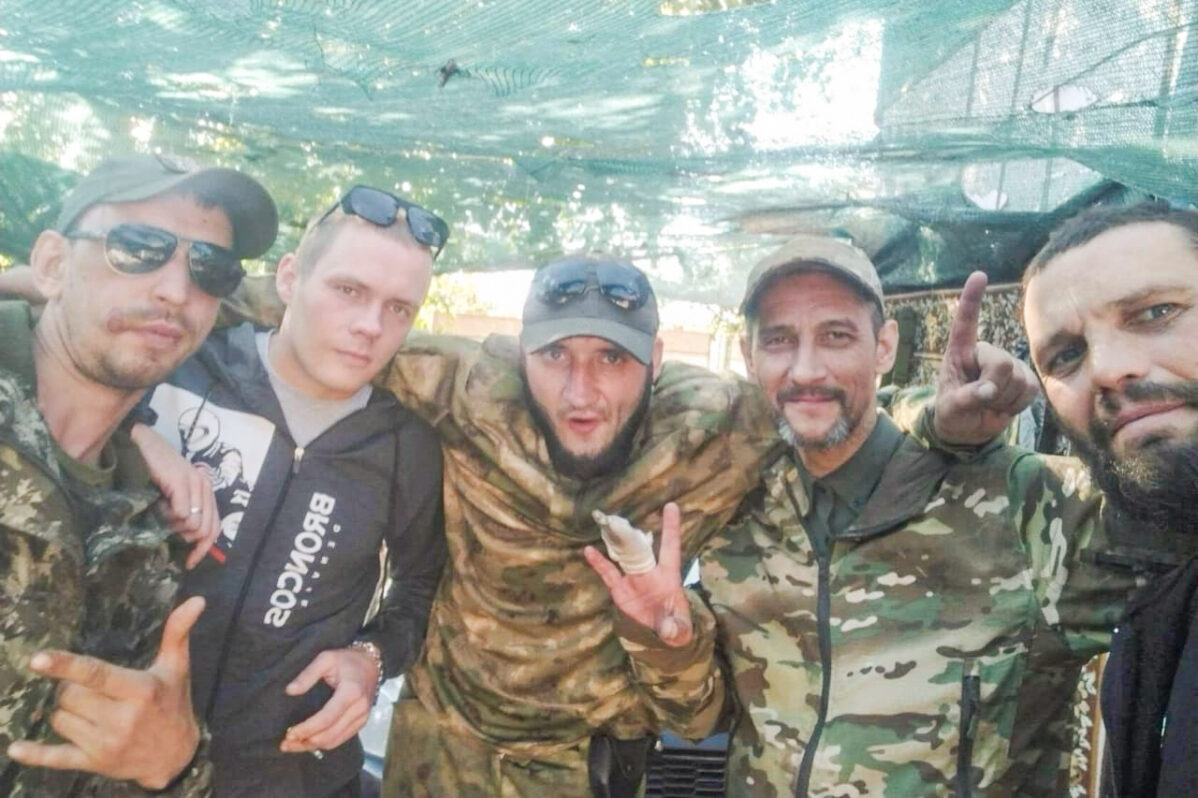
Servicemen told Verstka that those who refused to pay, resisted assault missions, or tried to file complaints were subjected to brutal punishment. “Lis beat the guys and took their money,” Yuri says. “I personally saw Kiselev and his trusted fighters beat our sniper to death with their fists for refusing an assault and refusing to pay. They hung him on a hook and punched him until he died.”
“We had a soldier, Ilya Sobolev — call sign ‘Cartel,’” adds Dmitry from the same brigade. “He refused to go into battle near Novosivka in the Donetsk region. ‘Lis’ finished him off. He just beat him to death with sticks.”
“They tied me up and beat me with a copper cable for five hours”
Yuri, one of Verstka’s sources, says he first began to be tortured under Lis’s command in the spring of 2023, after he complained about delayed wages. “He took me straight from the hospital, handcuffed me to a pipe in some village, and started beating me. I spent two days handcuffed to that same pipe. Then they handed me an assault rifle, a flak jacket, a helmet — and sent me to the front near Krasnogorovka with the others.”
When asked who ordered the punishment, Yuri says, “The entire command of the 114th Brigade is involved — including ‘Said’ and ‘Lis.’”
After being wounded again, Yuri began paying tribute to his commanders. Later, he himself was forced to collect money for “Lis” from other soldiers — allegedly “for the needs of our comrades.” What those needs were did not matter, Yuri admits; he invented them himself.
They collected half a million rubles (almost 5500 EUR). “All of it was transferred to Lis’s bank card, but registered to a front person — some girl he knew. Lis paid a percentage of it to Said.”
Soon after, Lis took Yuri from the hospital again and brought him to a military base that Yuri calls Ryzhaya (“Redhead.”) There, he was beaten once more.
“Lis first grabbed a cardboard tube from under stretch film and started hitting me with it. He kept beating and beating,” Yuri recalls. “They knocked me down, tied me up, cut off a copper cable about seven centimeters thick — like a hose — and Lis started beating me with that. For five hours. They put a bag over my head and kept going. At some point I said, ‘Guys, give me a grenade and I’ll blow myself up. I wasn’t afraid anymore.’”
According to Yuri, this was meant as a warning — to ensure he never complained about extortion or torture again. That same night, he says, commanders arrived at the Ryzhaya base on Said’s orders to execute fighters deemed undesirable.
“It was ‘Said’ who brought people to shoot us,” Yuri says. “They arrived drunk at night, went to the first floor, and started firing their automatic rifles at everything. But no one was there anymore — we had managed to move up to the sixth floor, and they didn’t know that. They did it so they wouldn’t have to pay us anything and so we couldn’t file any claims, pretending we had all died in combat.”
“He died a brave death”
According to 40-year-old serviceman Vladislav Berlyakov of the 6th Brigade (military unit 41624), soldiers killed by their commanders were either buried in the woods or dumped on the battlefield and shot to stage a combat death. Among them, he says, was Alexander Yurkov — call sign “Odessa” — whom the commanders had forced into selling drugs.
In May 2023, Yurkov failed to hand over his earnings, likely because he spent them on medical treatment for his sick wife. “They beat him to death with sticks,” Berlyakov says. “The ones who did it had the call signs ‘White,’ ‘Wild,’ and a few more I don’t remember.”
Berlyakov later found Odessa’s body behind one of the buildings, covered in bruises and lacerations. He was warned that asking questions would lead to the same fate.
“That evening, I watched them put an old helmet and vest on Odessa, place two grenades under him, and blow him up,” he recalls. “They left his body in the heat for days so it would start decomposing and the injuries wouldn’t be obvious during examination. Then they sent him to the mainland labeled ‘died a brave death.’”
Over the next year, after witnessing multiple killings and torture sessions, Berlyakov himself was nearly eliminated four times. He fled, was recaptured, escaped again, and filed complaints with prosecutors, parliamentarians, and the president — all unanswered. He says FSB officers questioned him as part of a probe into disappearances and extortion.
“One FSB officer told me many guys were being held in the basements of Unit 41624 while officially listed as POWs,” Berlyakov says. “And that the commanders were receiving money for them. But now that the commanders know the FSB is onto them, most of those guys will likely be ‘zeroed.’”
“I was shocked,” Berlyakov writes. “This is what an FSB officer told me outright. I asked why he was so calm about it, and he replied: ‘What can we do? You can’t file anything on them. And they get rid of the witnesses — or the witnesses die under mysterious circumstances. One cut open his own stomach, another slit his throat.’”
Berlyakov himself is still alive, officially listed in the Unified Register of Participants in the Special Military Operation, and has filed hundreds of complaints with the Ministry of Defense, the Investigative Committee, and the prosecutor’s office. But the hunt for him — declared by the commanders who, he says, want him eliminated — continues.
“Mom, you can’t trust anyone here”
The theatrically staged “heroic death” of Odessa is an exception. More often, soldiers who have been zeroed are never sent home in zinc coffins. According to almost all witnesses interviewed by Verstka, executed soldiers are listed either as missing in action or as having allegedly left their unit without permission. This way, the state is not required to pay anything to their families: they may be declared missing years later, or not declared at all.
This is what happened to 19-year-old German Friedman, who disappeared two years ago. He had signed a fixed-term service contract in the summer of 2023 and went to war. Less than three months later, all communication with him stopped.
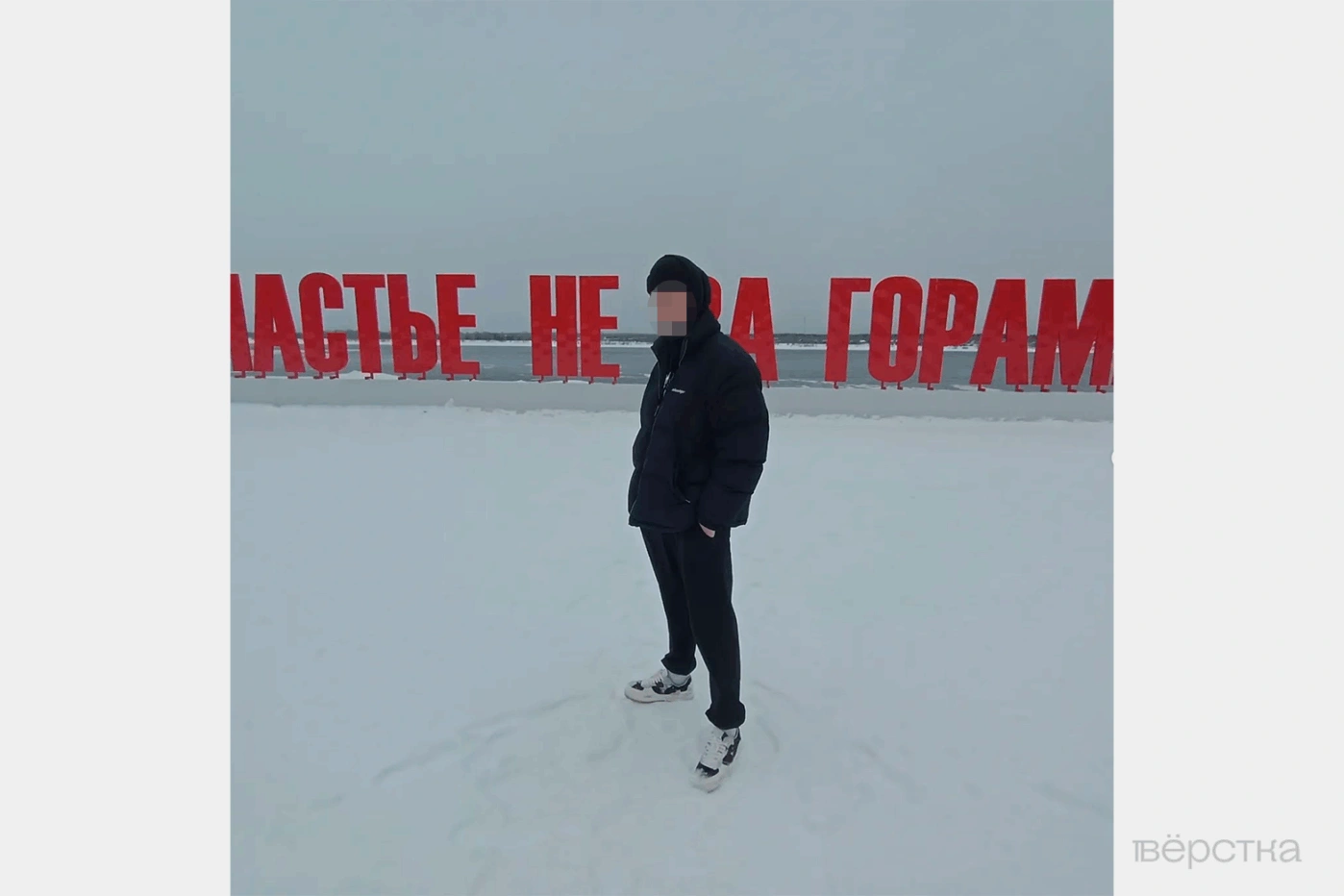
Despite his mother’s objections, he signed the contract and later wrote to her from the trenches: “Mom, you can’t trust anyone here.” “Mom, I need to transfer to another unit.” German ended up in the 139th Separate Assault Battalion — the same unit where commander “Kurort” would later order drone strikes on his own soldiers.
In early October, he sent a message to his brother:
“Hey, bro. I don’t want to scare you, but they’re threatening to shoot me at the first chance they get. Or throw a grenade into the dugout. Tell Mom if anything happens to me. The call signs of these bastards: ‘Shram’ (‘Scar’) — Vadim Nepomnyashchikh. ‘Buryat’ — Kolya Sosnin. ‘Volk’ (‘Wolf’) — Volchenko. ‘Povar’ (‘Cook’) — Kolomyltsov. ‘Skripa’ — Skripnikov. I can’t stand these Transbaikal assholes. They get drunk every day, try to gang up on me, and would do anything for a bottle of vodka. And I’m someone who can speak up — they don’t like that. So the threats started. And if I see a real danger to my life from them, I won’t just sit there. I’ll fight back.”
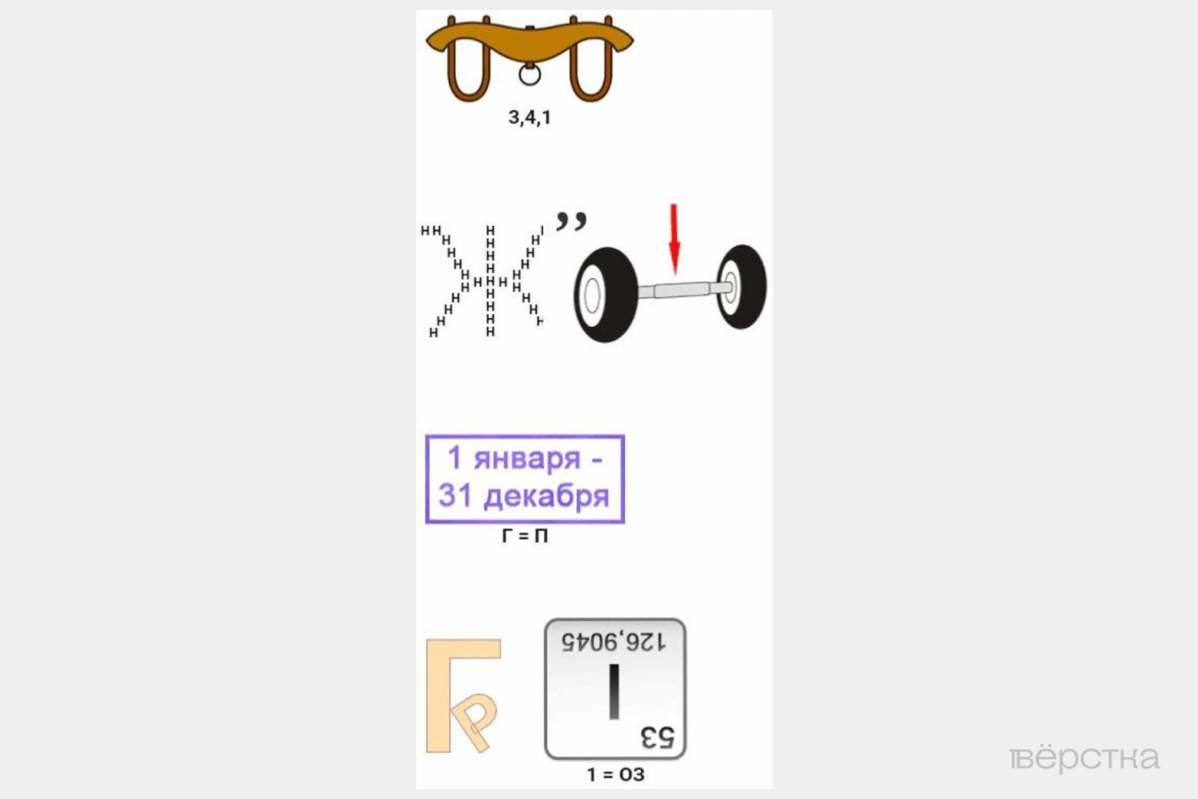
On October 19, German sent a puzzle-like coded message to a friend, his mother Oksana recalls. “The friend couldn’t decipher it and eventually sent it to me. My older son and I cracked it. It read: ‘My life is in danger.’”
“I haven’t heard from him in two years. I have no idea where my son is,” Oksana tells Verstka. “It’s unbearable. I’m now undergoing treatment — I go to the psychiatric ward for IV therapy. I can’t do this anymore. I knock on every door, I beg for answers, but there’s only silence. I filed requests through the military enlistment office — no real response. I wrote to the prosecutor’s office — no answer. I sent videos to the president’s office, to Putin’s hotline, to members of parliament. Nothing.”
“We’re left alone with our grief,” she says. “The military keeps telling us, ‘The fog of war will lift.’ But when? I haven’t wished him a happy birthday in two years. His passport has expired. And still, I believe he’s alive — and that hope is all I have left.”
“I’m not afraid to die — but people will learn who these men are”
Verstka has documented more than 100 cases of soldiers “zeroed out” by their own commanders. Our findings draw on open-source data, complaints submitted to the Main Military Prosecutor’s Office, and messages from family groups in messengers where relatives share accounts of commanders’ crimes. Dozens of servicemen and relatives spoke to us, detailing the motives, methods, and the individuals responsible for executions.
For over 60 of them, we were able to compile full profiles — names, ages, ranks, units, and photographs. Nearly all fully identified “zeroers” are commanders, from platoon level up to brigade command. Their average age is slightly above 40.
Only a few have faced prosecution. Some cases were formally opened, investigators questioned witnesses, and prosecutors conducted checks — but most inquiries went nowhere. According to families of the missing and soldiers in the field, the reason for the impunity of commanders like “Akula” is simple: high-ranking relatives in the Ministry of Defense. “They came to check him more than once, but as my son told me, Akula has a relative in the Ministry of Defense, and everything gets buried,” the mother of one murdered soldier says. She has not received her son’s body, nor any compensation.
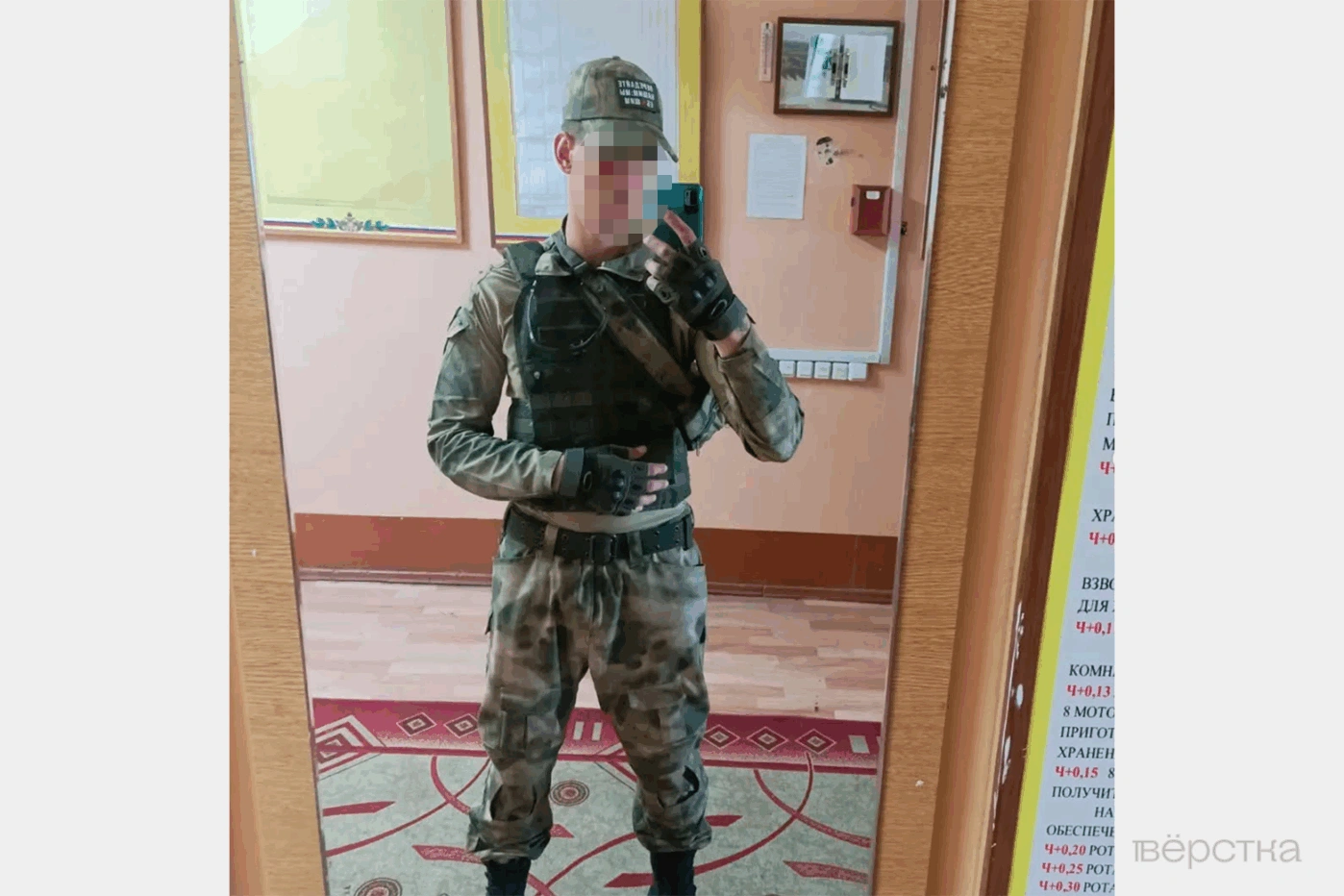
Many families face intimidation. Commanders threatened to “send a drone to the house” of the wife of one victim who refused to stop filing complaints. Another relative of a missing soldier told Verstka that prosecutors brushed her off: “How are we supposed to get them out from the front line?” Lawyers say they hear the same excuse. A source in the Main Military Prosecutor’s Office confirmed this pattern and shared with Verstka a set of complaints that the military had effectively shelved.
“Right now, there’s an unofficial order from the Chief Military Prosecutor’s Office not to investigate cases involving officers in combat brigades. The argument is that it could harm military operations. So officers can do whatever they want. They are, in effect, immune,” the source told Verstka.
He also provided internal statistics for the first six months of this year: 28,884 complaints were filed (concerning 26,880 servicemen and 3,872 civilians). Of these, 23,630 involved missing soldiers or violations of servicemen’s rights. He did not have data covering the entire war, but said more than 12,000 complaints related to reprisals against personnel had been submitted over the past three and a half years.
Those who haven’t witnessed zeroing firsthand tend to rationalize it, blaming “problem soldiers.” “We don’t have this in the Airborne Forces — discipline is strict. We do reconnaissance, precise missions. But these motorized riflemen and assault guys… they’re rot, carrion. That’s the only way to handle them. There’s no other way to fight,” a paratrooper tells Verstka.
Victims and eyewitnesses of zeroing have no expectation of justice, but many speak of revenge. “When the ones who return finally feel free — knowing they won’t be thrown back into assaults — they won’t be afraid of prison anymore. A lot of officers will go into hiding,” says one mobilized soldier. “And when the guys come back, they’ll drink. And who’s going to tell bitter, furious men that they can’t?”
“People are at the point of despair,” Yuri tells Verstka. “How are we supposed to explain to our government that if things keep going like this, there will be conflict inside Russia itself? And I mean real conflict. At one point, I even found myself thinking about taking extreme measures against the family of an official, say, a public dismemberment, just to force someone to pay attention. What else can we do — keep waiting for promises? Call me whatever you want, but at least I would confront the people who came to take what doesn’t belong to them.” He is talking about his commanders.
“I told you — I’m not afraid of dying, or being shot, or being beaten there,” Yuri said before this story was finalized. “The only thing that matters is that people will know who they are.”
In September 2025, Yuri signed a new contract and went back to war.
Cover: Dmitry Osinnikov
Authors: Ivan Zhadayev, Olesya Gerasimenko, Rina Richter, Verstka editorial staff
You can support “Verstka” from anywhere in the world — it’s safe, and it matters more than ever. We really need your support right now.